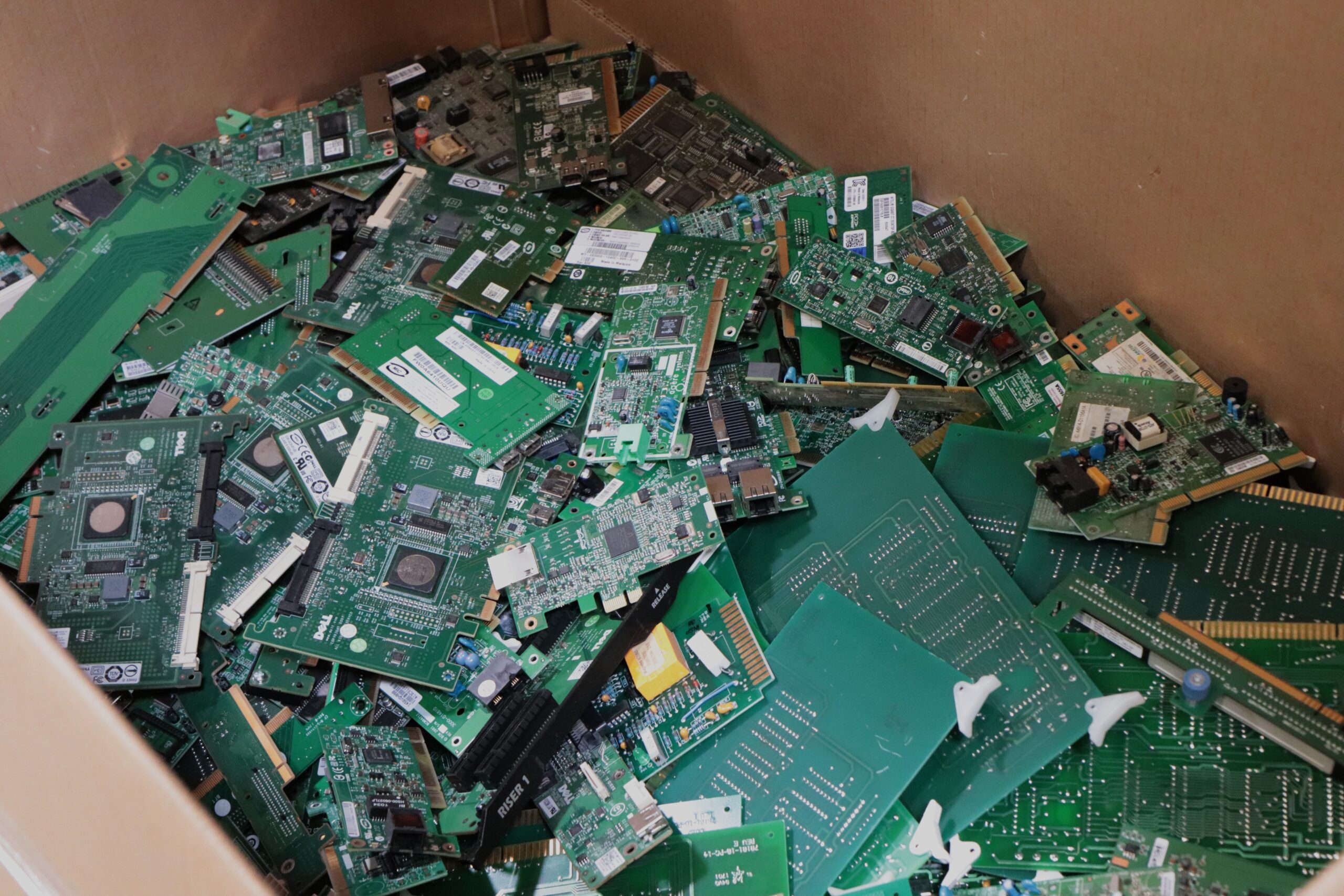
Responsible IT asset disposition is about more than removing outdated technology. It is about knowing what happens to that equipment after it leaves your organization. At eLoop, our commitment to a near-zero landfill policy means electronic equipment and recoverable materials are directed toward reuse, remarketing or responsible recycling whenever possible. The only materials sent to traditional waste streams are items without a practical recycling option, such as certain packing materials or pallets that cannot be reused or recycled. A critical part of this commitment is R2v3 certification. R2v3 establishes rigorous standards for electronics reuse and recycling, including environmental practices, data security, worker health and safety, and downstream material management. Just as important, responsible recycling extends beyond the primary ITAD provider. Electronics and recovered commodities may move through specialized downstream processors. That is why eLoop places a strong emphasis on working with responsible e-waste partners, including R2v3-certified downstream partners where appropriate. The goal is to maintain accountability throughout the recycling chain rather than simply transferring responsibility to another vendor.
For clients, this provides greater confidence in how retired technology is managed. Choosing an ITAD provider with strong recycling practices helps reduce environmental risk, supports sustainability initiatives and provides greater transparency into the final disposition of assets. It also encourages a more circular approach to technology. Equipment that can be securely reused or remarketed stays in productive use longer. Materials from equipment that has reached the end of its useful life can be recovered and returned to the supply chain rather than unnecessarily entering a landfill.
At eLoop, we believe responsible recycling means taking ownership of what happens next. Protect the data. Reuse what can be reused. Recycle what can be recycled. Send as little as possible to landfill.
That is what responsible ITAD should look like.