AI investments are accelerating enterprise GPU refresh cycles — and the downstream implications for IT asset disposition are significant and largely underdiscussed.
Refresh Cycles Are Compressing — Fast
Enterprise server hardware has historically followed a five-to-seven-year refresh cycle. GPU infrastructure is breaking that model entirely. The performance gap between successive GPU generations has become so large, often two to three times in raw AI throughput, that organizations running serious workloads are treating hardware as nearly consumable. Hyperscalers are setting the pace. AWS, Google, and Microsoft Azure are cycling GPU fleets on near-annual timelines to maintain competitive AI service offerings. Mid-market enterprises; particularly those in finance, healthcare, and legal technology building proprietary models are following with refresh windows of two to three years rather than five or more. The result is an accelerating supply of relatively young, high-value GPU hardware entering the secondary market.
Why GPU Disposition Requires a Different Approach
From an ITAD perspective, GPUs present a meaningfully different risk and complexity profile than the server and storage assets most firms have standardized around.
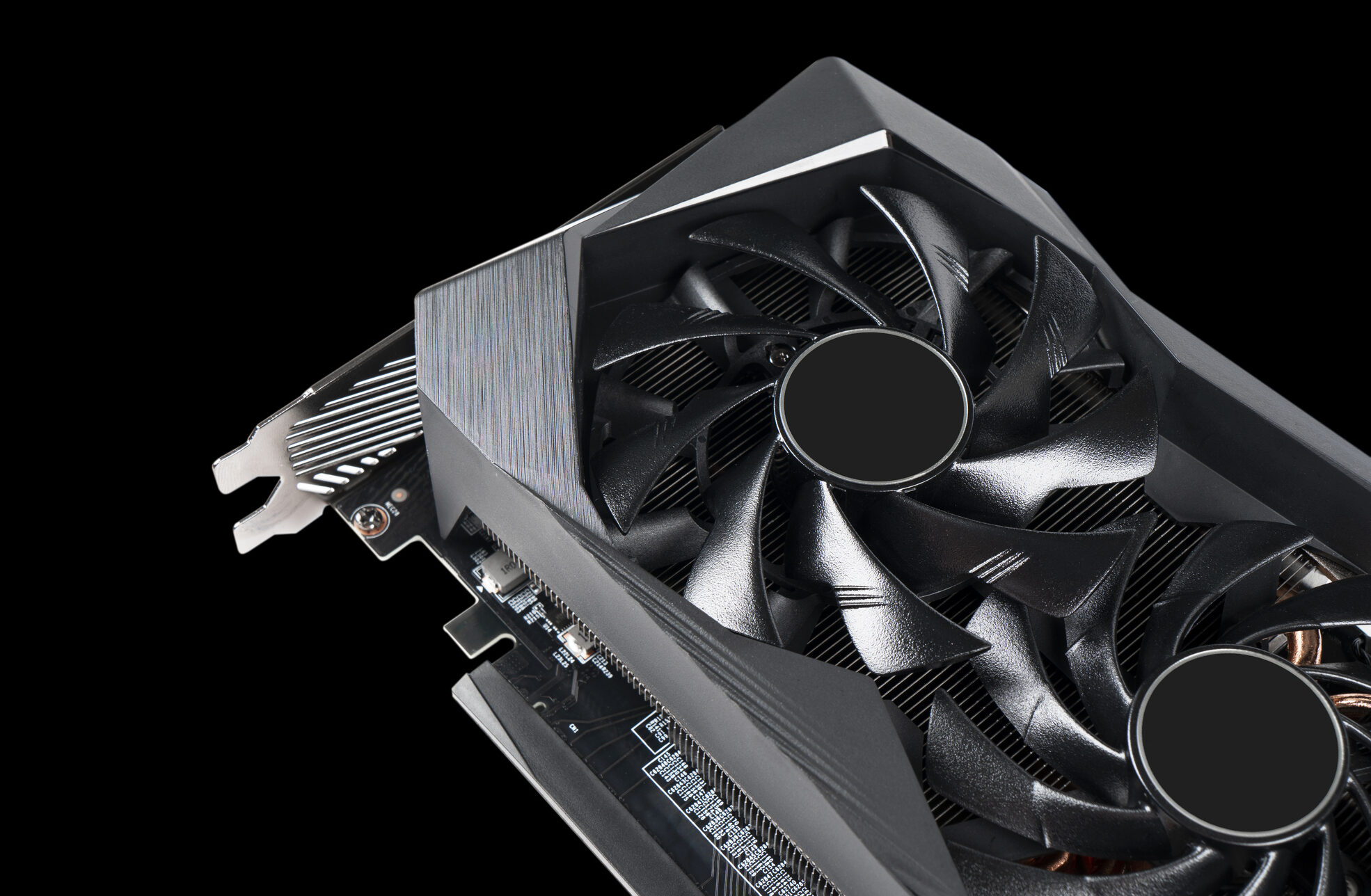
Memory sanitization is an open problem. Enterprise GPUs carry onboard high-bandwidth memory that retains data from prior workloads. This includes training data, inference inputs, and potentially proprietary model weights. The sanitization standards that govern hard drive disposition do not map cleanly onto GPU memory architectures. There is no widely adopted industry standard for GPU memory clearing at this time, which means clients disposing of AI infrastructure need to scrutinize their ITAD partner’s process closely and demand documented verification, not just a certificate of destruction that was written for a different asset class.
Export controls introduce legal complexity that most IT disposition workflows weren’t designed for. High-performance GPUs fall under U.S. Export Administration Regulations and have been the subject of specific BIS controls targeting advanced AI compute. Responsible disposition requires screening downstream buyers against restricted entity lists, evaluating end-use and end-user declarations, and maintaining documentation that survives an audit. This isn’t a peripheral compliance consideration; it’s a core operational requirement for any firm handling these assets in volume.
Condition assessment demands load-based diagnostics. GPU degradation from high-utilization AI workloads isn’t reliably detected through visual inspection or basic power-on testing. Sustained compute loads stress power delivery systems, thermal interfaces, and memory in ways that manifest as performance degradation or instability rather than outright failure. Accurate asset grading requires benchmarking under representative load conditions, which demands both the tooling and the expertise to interpret results. Firms that skip this step grade assets inaccurately and either undervalue recoverable hardware or misrepresent condition to downstream buyers.
The Secondary Market Demand Is Real
One of the more important dynamics shaping GPU ITAD right now is that secondary market demand remains genuinely strong for enterprise-class hardware that hyperscalers and large enterprises are cycling out. The buyer universe for displaced AI-grade GPUs is broader and more active than it is for typical decommissioned server equipment. Research universities and national labs, AI startups operating outside hyperscaler infrastructure, simulation-intensive industries including aerospace and automotive engineering, and visual effects and rendering operations all represent active demand for hardware that delivers serious compute without the acquisition cost of new. An H100 that no longer fits a hyperscaler’s current deployment standard can be highly productive in a university research cluster or a mid-sized inference operation. This demand profile matters for asset owners because it means that well-managed disposition — with accurate grading, clean documentation, and compliant remarketing — recovers meaningful value rather than generating only a disposal credit. For organizations running AI infrastructure refresh cycles that represent tens of millions in capital expenditure, the difference between a well-executed and a poorly-executed disposition strategy is financially material.
What This Means for Organizations Planning AI Refreshes
The most common disposition failure we observe isn’t negligence; it’s timing. Organizations that engage an ITAD partner after a fleet refresh is already underway have less flexibility to optimize outcomes. Logistics, grading backlogs, and market timing all work better when disposition is planned as part of the refresh cycle rather than addressed reactively. The GPU displacement wave is still building. Blackwell adoption will drive another round of Hopper displacement within the next one to two years, and the volume will be substantial. Organizations with AI infrastructure acquired in 2022 and 2023 should be thinking now about what a compliant, value-recovering disposition process looks like — before the hardware is already stacked on a pallet. For the ITAD industry, the firms investing in GPU-specific sanitization processes, export compliance infrastructure, and load-based diagnostic capability today will be positioned to handle the largest and most complex hardware displacement event the AI era has produced. The process requirements are real, the compliance stakes are high, and the asset values justify doing it right.